

A Student’s Guide to Living in Claremont, CA: Building Your Everyday Routine
There’s a difference between knowing where things are in a new city and actually feeling like you live there.
By September, you’re probably somewhere in between. The chaos of move-in has passed, classes are underway, and you’ve figured out the basics. Now you can start building the little routines that make Claremont feel less like somewhere you recently moved and more like home.
If you’re living in or researching Claremont CA apartments, your everyday experience involves more than the apartment itself. Where you study, grab coffee, meet friends, run errands, and spend a free afternoon all become part of what living here actually feels like.
Find Your Everyday Places
You don’t need a long list of the best places in Claremont. You need a few places that work for you.
There’s the coffee shop you can stop at when you have time before class. The restaurant that becomes an easy answer when nobody wants to cook. The grocery store you learn well enough that you can get in and out without wandering every aisle.
Those places may not seem particularly important at first, but they’re what turn a new city into somewhere familiar.
Take some time in September to explore the area around Claremont Collegiate. The community’s Location can give you a starting point for getting familiar with what’s nearby.
Build a Routine Around Your Actual Class Schedule
The schedule you imagined before classes started and the one you actually live may be two different things.
Maybe that gap between classes is perfect for studying. Or maybe you’ve learned that you’re much happier using it for lunch and doing your work later. Perhaps you thought you’d stay on campus all day but discovered you prefer heading home whenever you have enough time.
September is a good month to stop trying to follow your theoretical routine and start building one around what actually works.
Pay attention to when you have the most energy, when you prefer to study, and how much downtime you need between commitments. A good routine doesn’t have to look especially impressive. It just has to make your week manageable.
Figure Out Where You Like to Study
By now, you’ve probably tested your original study plan enough to know whether it works.
If your bedroom desk keeps you focused, great. If studying there somehow ends with you reorganizing your closet instead, it might be time for another option.
Having a few different places to work can help. Some assignments might be easier to finish at home, while others require getting out of your usual environment. You may want complete quiet one day and a little background activity the next.
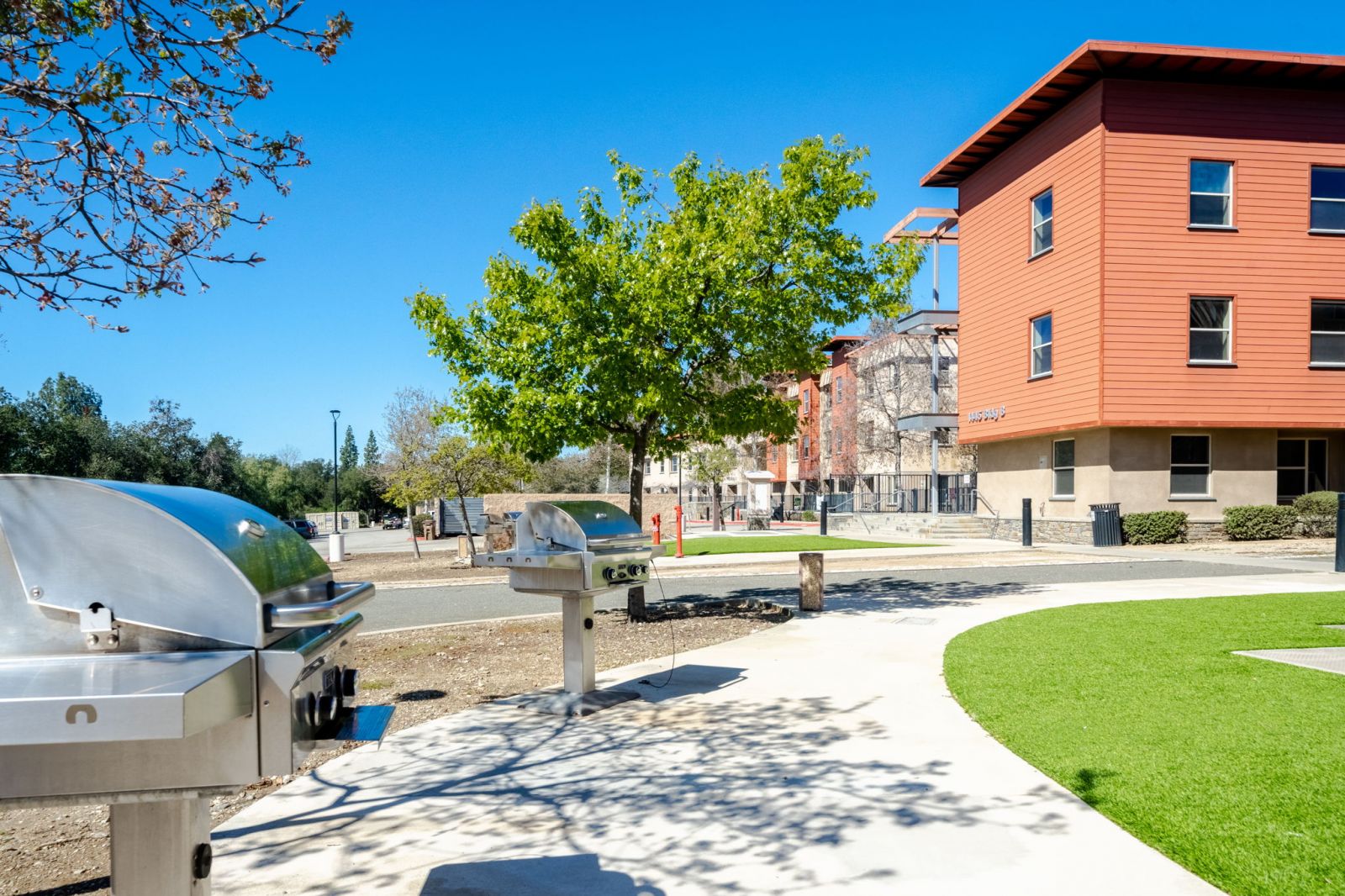
Explore Claremont Collegiate’s Amenities and get familiar with the spaces available outside your apartment. Having options nearby can be especially useful once midterms and larger projects start appearing on your calendar.
Make Your Apartment Work for Your Routine
After living in your apartment for a month, you can start adjusting it based on how you actually use it.
Maybe the place you originally chose for your backpack makes no sense because you never put it there. Perhaps your desk needs better lighting, the kitchen needs a different organization system, or you need somewhere near the door for all the things you grab on the way out.
Small changes can make an apartment noticeably easier to live in.
You can browse Claremont Collegiate’s Gallery for another look at the community and apartment spaces, but don’t worry about keeping your own home looking photo-ready. It should work for the people actually living there.
Let Your Roommate Routine Develop Too
Roommate dynamics usually look a little different in September than they did during move-in week.
You know who wakes up early now. You know who likes cooking, who studies at home, and who seems to have a completely different schedule from everyone else.
This is a good time to make small adjustments if you need them.
If the kitchen keeps getting crowded at the same time, maybe everyone can shift things around. If quiet hours would help during the week, talk about it. You don’t need a complicated household system, and honestly, overly complicated systems tend not to last anyway.
Claremont Collegiate offers different Floor Plans, and whatever your setup looks like, figuring out how everyone naturally uses the shared and private spaces can make home more comfortable.
Make Time to Enjoy Claremont Without an Agenda
Not every trip outside your apartment needs to accomplish something.
Once you’ve figured out the practical parts of living somewhere new, make time to simply explore. Walk around when you don’t have somewhere specific to be. Meet a friend for coffee. Spend an afternoon away from your usual campus-and-home routine.
Living in Claremont gives you time to discover the city slowly. You don’t need to work through a checklist of everything you’re supposed to see.
Sometimes finding one place you genuinely like enough to return to is more useful than visiting ten places once.
Pay Attention to What Makes Life Easier
As your routine settles into place, start noticing which parts of your living situation make your week easier.
Maybe you value having different places to study more than you expected. Perhaps your apartment layout works particularly well for your roommate group. Location might matter because of how often you move between home, school, errands, and everything else throughout the day.
Those observations are worth remembering.
When you eventually start researching Claremont CA apartments for another school year, you won’t have to guess what matters to you. Your everyday routine will have already given you a pretty good answer.
Key Takeaways
- Find a few everyday places around Claremont that naturally fit into your weekly routine.
- Build your schedule around what actually works instead of the routine you imagined before classes began.
- Experiment with different study spaces and make small changes to help your apartment function better.
- Adjust roommate routines as everyone learns how they use shared and private spaces.
- Pay attention to what makes everyday life easier so you know what to prioritize in future housing decisions.